
Bamboo vs carbon fibre fly rods — which is right for you?
- Chris Clemes
- 3 hours ago
- 5 min read


Bamboo and carbon fibre are not the same tool. They both cast a fly, but the experience and the outcomes are different. The honest answer to which is right for you is that most experienced fly fishermen end up owning both, and reach for whichever suits the day's water. This piece sets out the differences, the trade-offs, and the situations where each one earns its keep.
What's actually different about the two materials?

Carbon fibre — usually called graphite — is a synthetic composite. Long, fine carbon fibres are bonded together in epoxy resin and rolled around a tapered mandrel under heat to form a hollow tube. The material is light, very stiff for its weight, and very fast to recover after each cast. Modern carbon rods are also extremely durable: dropped, knocked, even stepped on lightly, they will usually survive, but fine cracks can form hidden in the composite.
Bamboo — specifically Tonkin cane (the species Pseudosasa amabilis, grown only in a small area of southern China) — is a natural composite. Six tapered strips are split from a single pole, hand-planed to thousandths of an inch, and glued together to form a solid hexagonal stick. Bamboo is heavier than carbon for the same length, slower to load, slower to recover, and much more expensive to make because the work is done by hand.
The result on the water is two different rhythms. Carbon is the language of efficiency and reach. Bamboo is the language of feel and presentation.
When to choose carbon fibre
Carbon makes obvious sense in several situations.
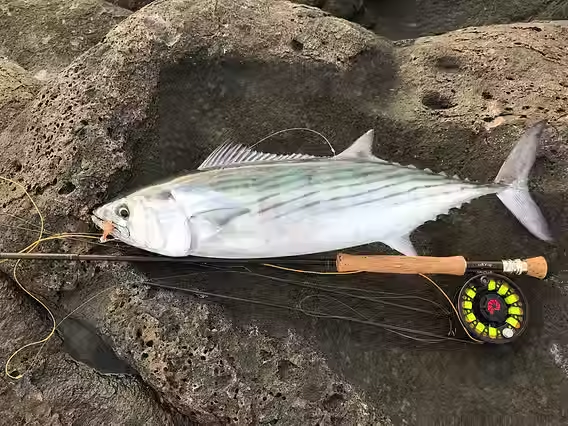
Saltwater and big-water fly fishing. Bonefish, tarpon, salmon on a wide tail, salt-water bass — anything that demands long casts into wind. Carbon's lighter weight and faster recovery let you keep working at distance hour after hour. Bamboo would tire you out by lunch.
Streamer fishing. Throwing a heavy fly on a short, fast leader is a job for stiff, fast tackle. Carbon does this efficiently; bamboo finds it awkward.
Beginners. If you have never cast a fly rod before, buy a carbon outfit. They are forgiving of errors in stroke and timing in a way that bamboo isn't. There is no shame in starting on graphite — most cane fishermen did.
Travel and rough handling. Long-haul trips, rental cars, hiked-in rivers — anywhere a rod might get knocked about. A modern carbon rod will shrug off treatment that would put a cane rod in for repair.
Budget. A perfectly good carbon outfit costs £200 to £400. A bespoke cane rod costs £1,500 and up. The price difference reflects materials and time, but for someone fishing only a few times a year the carbon rod is the sensible choice.
When to choose bamboo

Bamboo earns its keep in different conditions.
Small rivers and chalkstreams. Slower water, smaller flies, shorter casts. The places where presentation matters more than reach. A 7' or 7'6" cane rod in a 3 or 4 weight delivers a dry fly to a wary trout in a way that carbon simply cannot match.
Dry-fly work. The slower turnover and softer landing of a cane rod is genuinely useful when you're trying to put a size-18 olive on a glass-flat pool without spooking the fish.
Light tippets. A cane rod's deeper bend cushions a fish's pull. 5x, 6x and 7x tippets that would snap on a stiff carbon rod survive on bamboo. Smaller flies, more fish, fewer breakoffs.
Long-term ownership. A well-made cane rod has a fishing life of fifty to seventy years. Many of our customers are fishing rods that are older than they are. A modern carbon rod rarely makes it past fifteen years of regular use before the resin starts to fatigue.
The feel of the work. This is the hardest part to put into words and the part that matters most to those who fish bamboo. A cane rod loads progressively under the weight of the line; you feel exactly where the rod is bending and how hard it's working. The information is richer than what carbon gives you.
Side-by-side
Weight: carbon is lighter. Maybe 20–30% less than the same-length cane rod.
Speed: carbon is faster. Bamboo is deliberately slower, and that slowness is the point.
Distance: carbon casts further with less effort. If your fishing requires sixty-foot casts hour after hour, choose carbon.
Presentation: bamboo lays line down quieter. If your fishing requires a delicate dry fly on flat water, choose bamboo.
Durability: carbon is harder to break in normal use. Bamboo needs slightly more careful handling but is repairable when something does go wrong.
Lifespan: bamboo lasts longer. Decades vs years.
Cost: carbon is cheaper, often by a factor of five or more.
Repair and aftercare: carbon rods are usually replaced when they break; bamboo rods are usually repaired and keep fishing.
Material story: carbon is a modern industrial product. Bamboo is a natural material crafted by hand. For some people that matters; for others it doesn't.
The realistic answer
If you're choosing your first fly rod, choose carbon. There is no good reason to start on cane.
If you've fished long enough to know what you actually like — what length, what line weight, whether your fishing rewards a slower stroke — and the small-river, dry-fly, careful-presentation half of fly fishing draws you in, then a cane rod will reward the investment. It will also outlast you.
Most experienced fly fishermen own both. They reach for graphite for the windy day on the chalkstream when distance and accuracy under pressure matter, and for cane on the still summer evening when the water is glass and a single fish has been rising for an hour.
Frequently asked
Is bamboo really worth five to ten times the price of carbon?
For utility fishing, no. For a tool you'll fish for decades and pass on, the maths shifts. The eighty hours of bench work in a hand-made cane rod buy something a factory rod cannot — a rod built around your river, your stroke and your hand, and one designed to last a lifetime.
Are there modern carbon rods that cast like bamboo?
Some come close. The slower 'mid-flex' or 'classic taper' carbon rods from a few makers approximate the rhythm of cane. They don't quite have the feel under load, but they are excellent rods in their own right and a sensible halfway house if you want a softer carbon rod without committing to bespoke cane.
Can I fish a cane rod hard?
Yes. Cane rods are tools, not display pieces. The rods that last best are the ones that get fished regularly. Reasonable handling — drying after the day, loose storage in the tube, occasional inspection — is more than enough. We see rods come back to the workshop with sixty years of fishing on them and still casting beautifully.
Will a cane rod break?
Cane is more vulnerable to specific kinds of damage than carbon — a car door closed on the tip, a deep set from leaving the rod under tension. But properly cared-for cane rods are extraordinarily durable. Most repairs that come up are guides, wraps, or a fresh coat of varnish — all routine workshop jobs.
If you'd like to see the rods, the shop has the current models. The bespoke commission page walks you through the process. Or get in touch — we answer every enquiry ourselves.



Comments